Hills, viewpoints, and a shimmering river
Ride, hop off, and wander through layers of Lisbon’s story.
Table of Contents
Origins of Lisbon’s neighborhoods
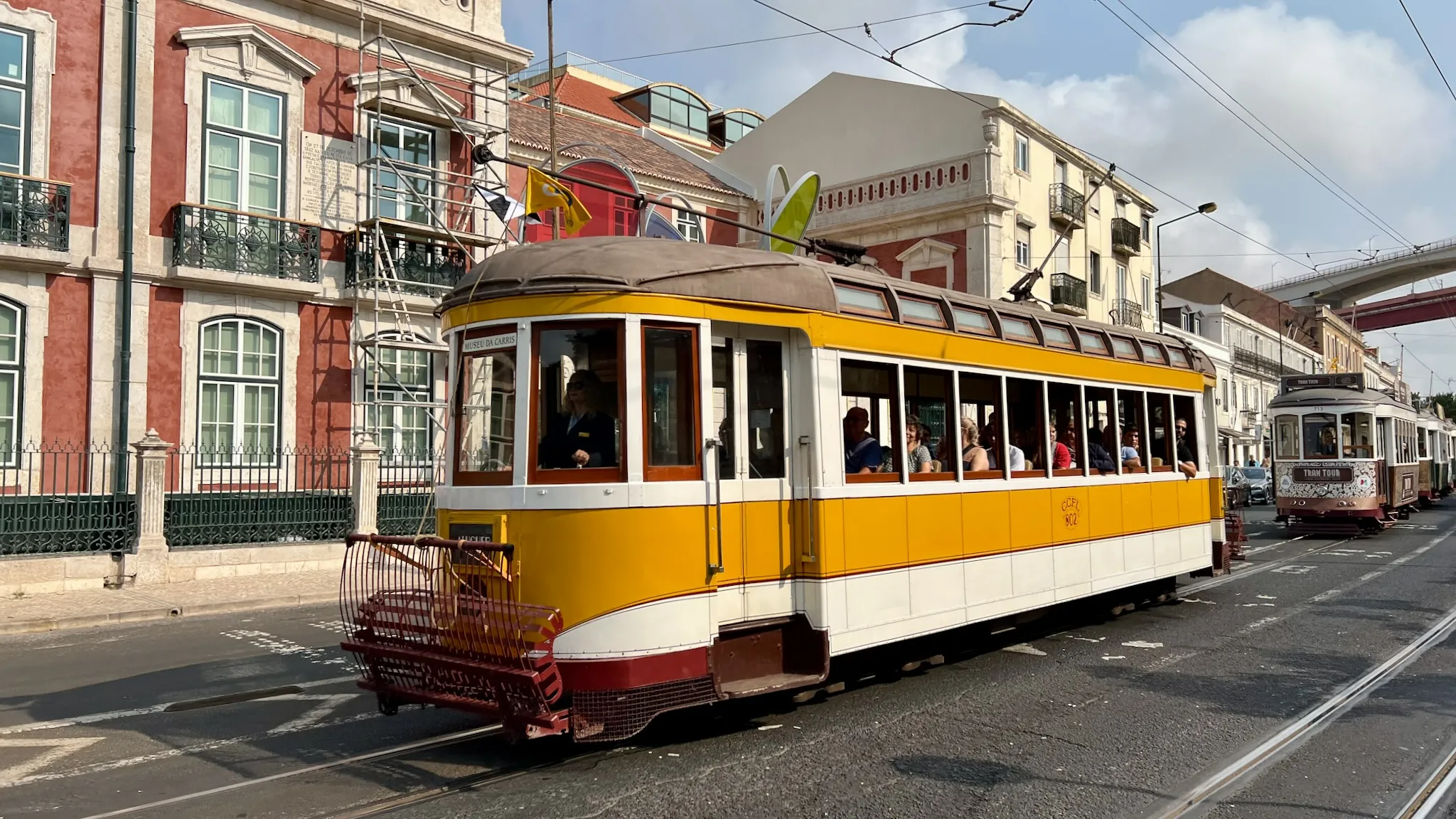
Lisbon’s character begins with its hills and the Tagus — a natural amphitheater that shaped neighborhoods like Alfama, Mouraria, Baixa, and Chiado. From early settlements and Roman traces to the Moorish period, the city grew in tight, practical patterns: alleys that slip between houses, stairways clinging to slopes, and terraces that open onto suddenly grand views. Life organized itself around water and height: the river for trade, the hills for protection, the viewpoints for orientation and delight.
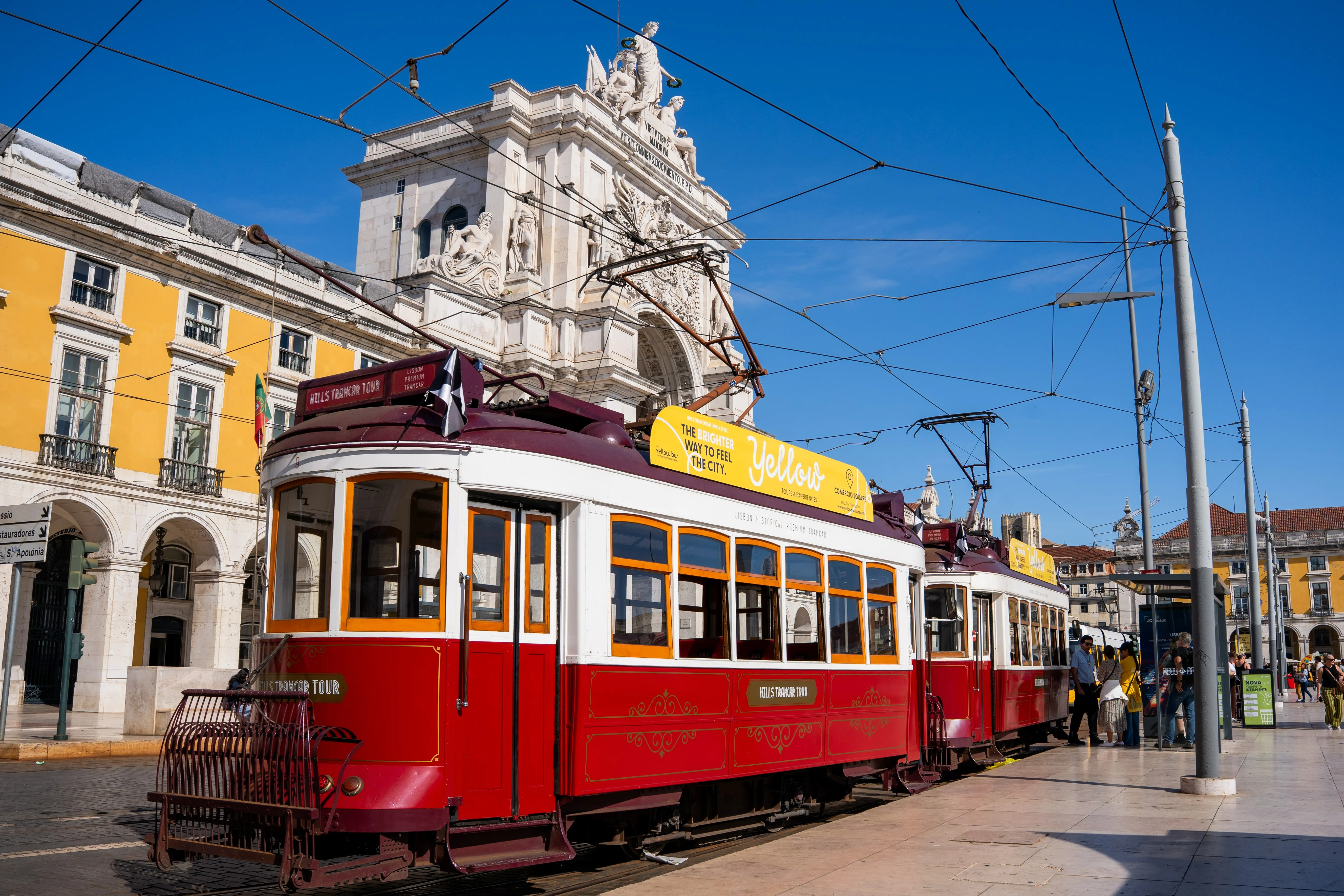
In 1755, an earthquake transformed Lisbon in a blink. The Pombaline reconstruction boldly reinvented Baixa with straight streets, earthquake‑resistant architecture, and elegant squares like Praça do Comércio and Rossio. Yet the older neighborhoods kept their mosaic charm — Alfama’s lanes, Mouraria’s tucked‑away corners, the cathedral cresting the hill. Today, hop‑on hop‑off routes thread these layers together, turning geography into an easy, scenic itinerary.
From trams to panoramic buses
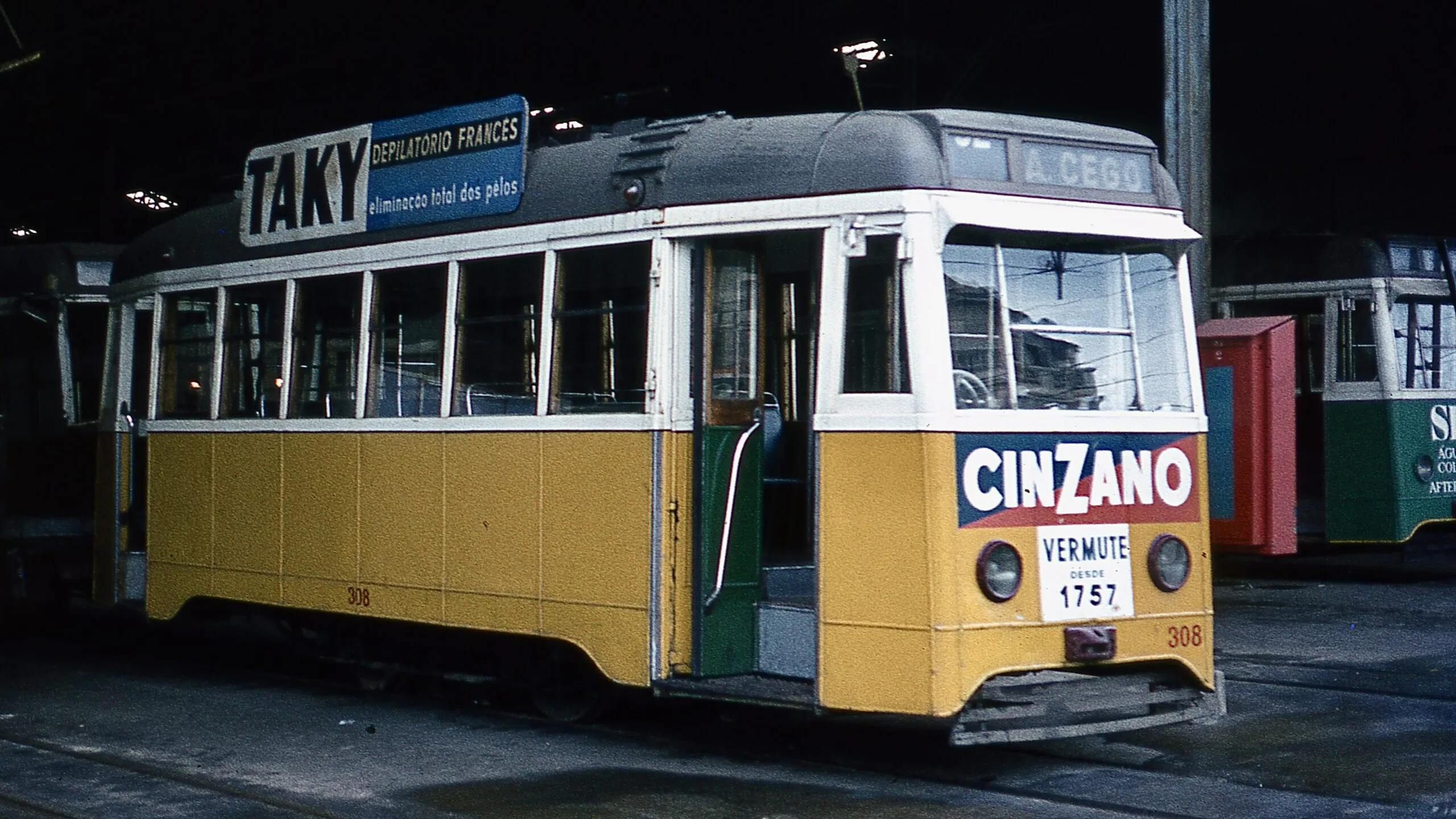
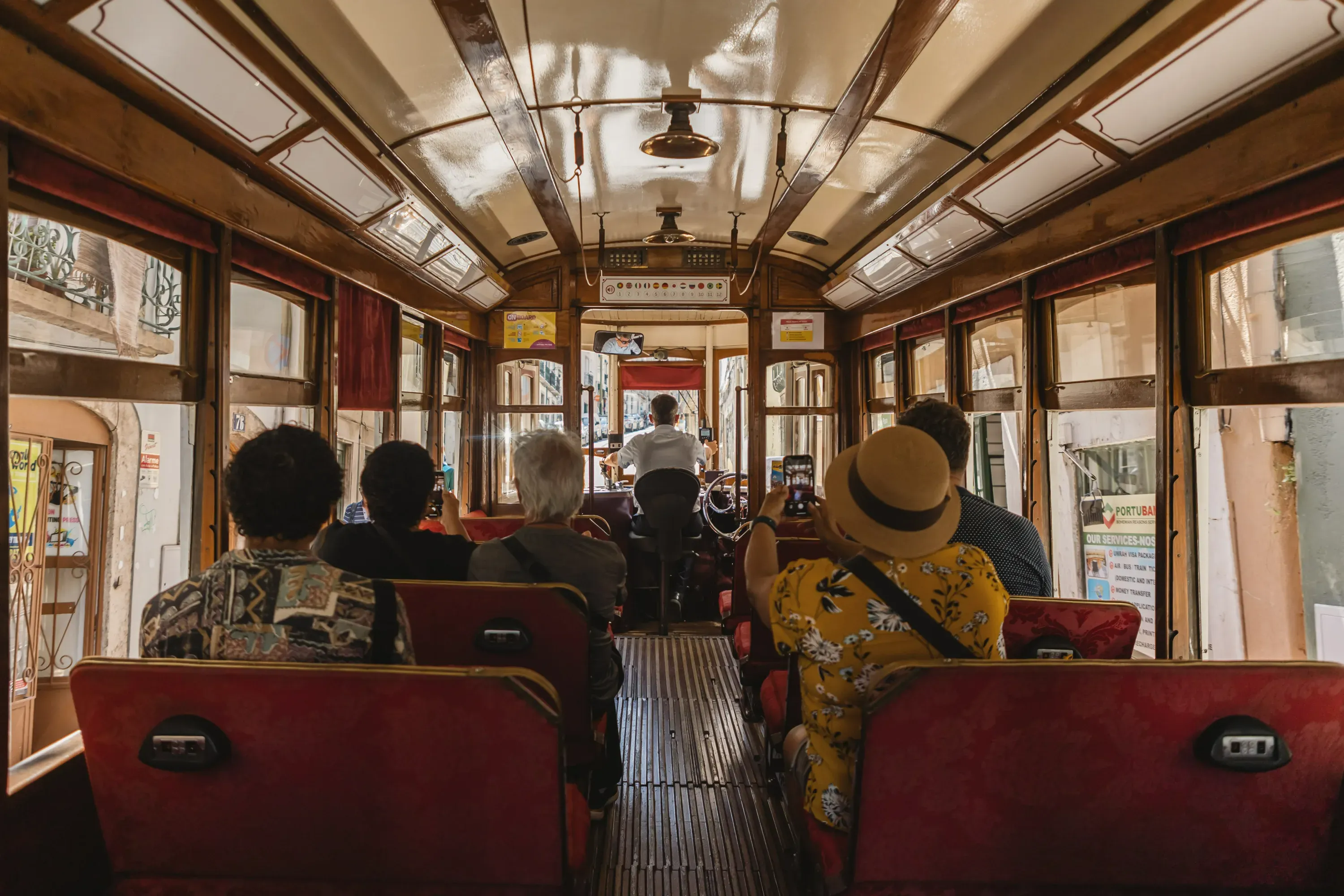
Lisbon’s transport story is part romance, part practicality. Historic trams rattle along tight corners and steep climbs; funiculars tug up and down ravines; elevators rise like lacework sculptures. Each mode turned geography into possibility. As the city modernized and visitors grew more curious, panoramic double‑deckers added a new rhythm: broad vistas from an open top, gentle loops connecting old and new, and audio tales that make even ordinary streets feel storied.
Hop‑on hop‑off kept the best of both worlds: freedom to wander and a guided, comfortable frame. Instead of racing through sights, you layer moments — a miradouro at golden hour, a monastery cloister echoing with footsteps, a café where time slows for a pastel de nata. Routes are not just lines on a map; they’re a conversation between hills, river, and neighborhoods.
Belém: empire, monuments & pastries
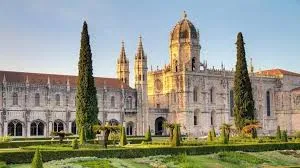
Belém speaks of oceans and ambition. The Age of Discoveries left its mark in Manueline stonework that looks almost alive — ropes, shells, and intricate knots carved into façades. The Jerónimos Monastery’s cloisters feel like a dream in limestone; the Tower of Belém watches the river like a patient guardian. Nearby, the Monument to the Discoveries faces the water where ships once set sail.
And then there’s the sweet heart of Belém: the original custard tart at a century‑old bakery, warm and fragrant, with cinnamon dusting the top like a small celebration. Hop off, taste the moment, stroll the river promenade, and let history settle in as the water glints and gulls wheel above.
Alfama: fado, alleys & the cathedral
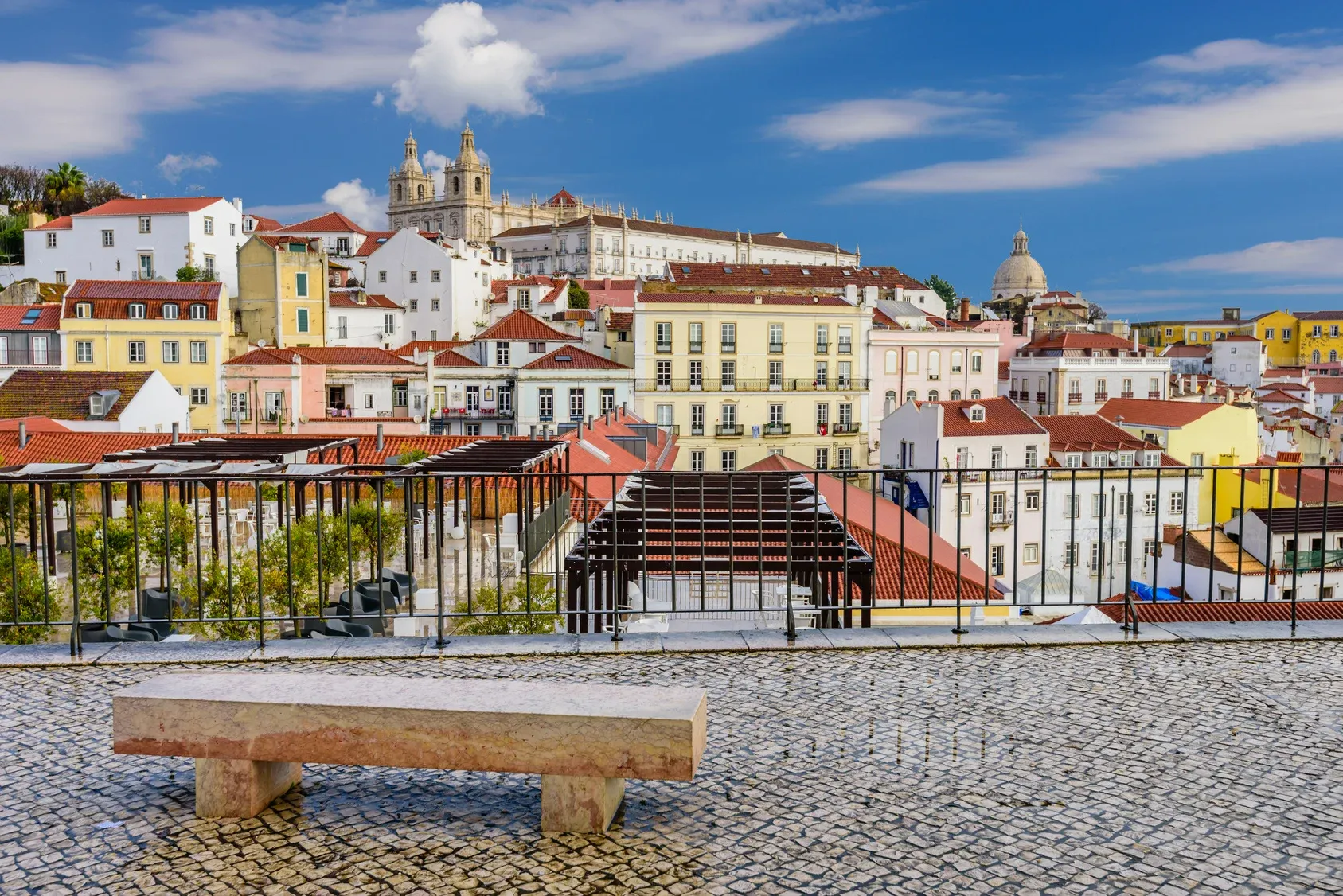
Alfama is a quilt of alleys stitched into a hillside. Here, laundry sways over lanes, tiles catch light in blues and greens, and fado drifts from small doorways, a voice of longing and resilience. The Sé Cathedral stands solid above it all, austere and protective, as if the neighborhood gathers under its glance.
Hop off for a climb to a miradouro — Santa Luzia or Portas do Sol — where red roofs slope into the river, and the city looks both intimate and expansive. It’s a place to linger and let the day breathe.
Baixa & Chiado: rebuilding and cafés
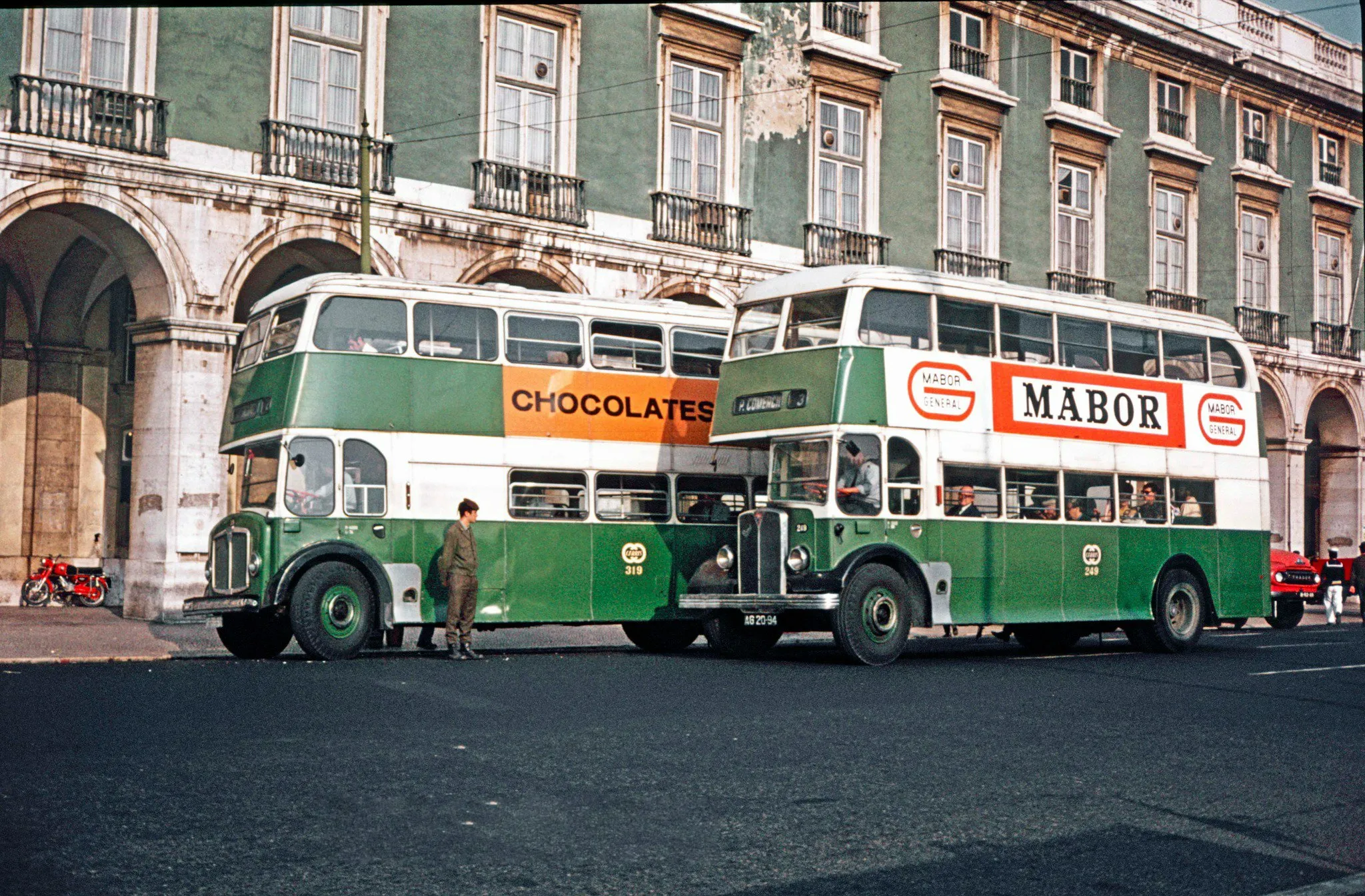
Baixa’s grid tells a story of resilience — Pombaline frames, ordered streets, and squares that invite gatherings. Rossio hums; Praça do Comércio opens grandly to the Tagus. In Chiado, bookstores and cafés make conversation an art, and the Elevador de Santa Justa rises like a filigree balcony to the sky.
Hop off for coffee, a light lunch, or a bookstore browse. Lisbon’s pace rewards meandering — and hop‑on hop‑off gives you the space to do it.
Workshops, artisans & markets
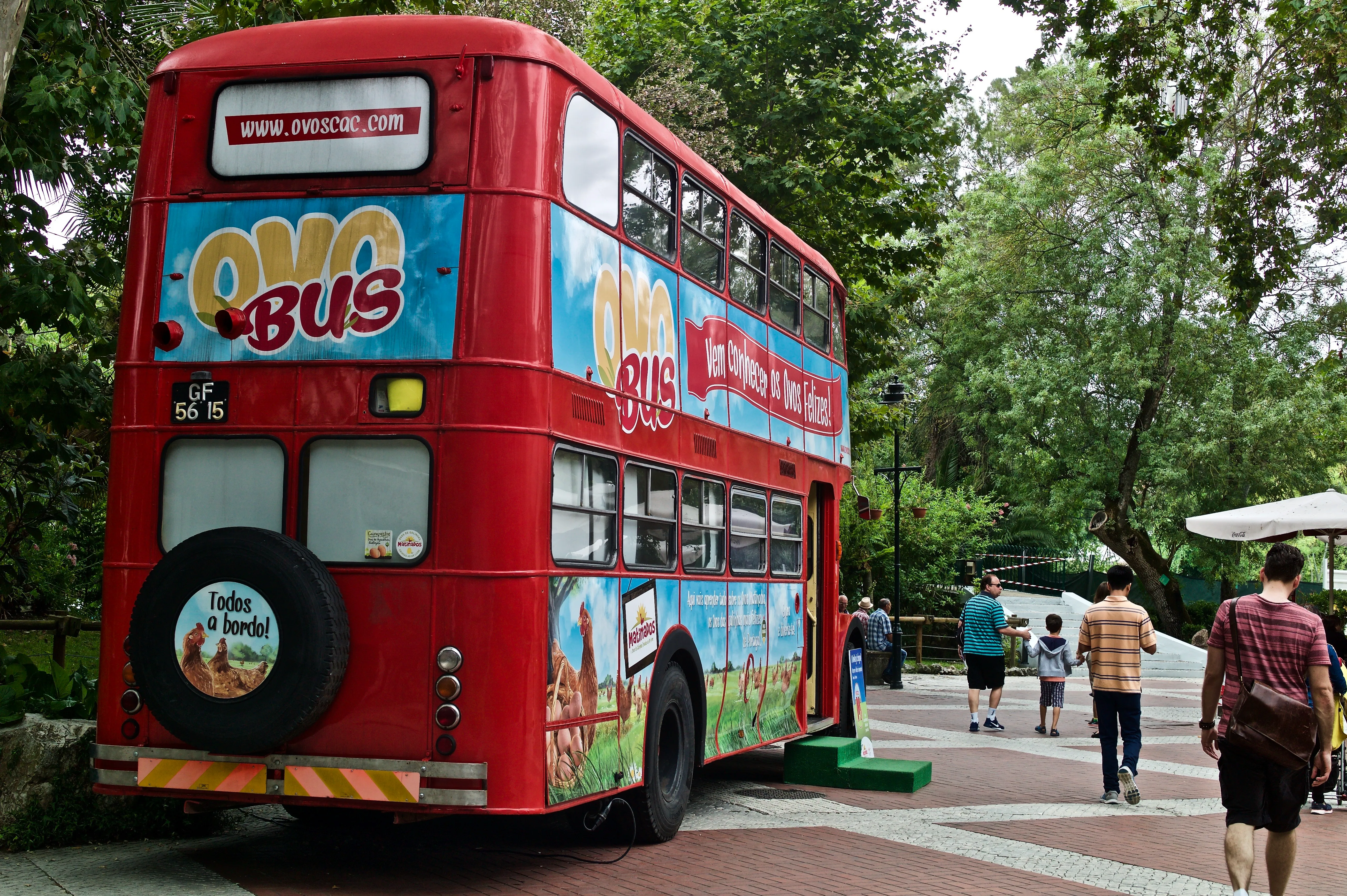
Lisbon’s craft heartbeat shows in tiles, leather, and small ateliers tucked into side streets. Weekend markets bring together antiques, textiles, and everyday curiosities — a happy mix of memory and utility.
Hop off where something catches your eye: a tile workshop with patterns like quiet songs, a market stall with a story behind every object, a studio where a maker’s patience reveals itself in the details.
Routes, stops & river cruises
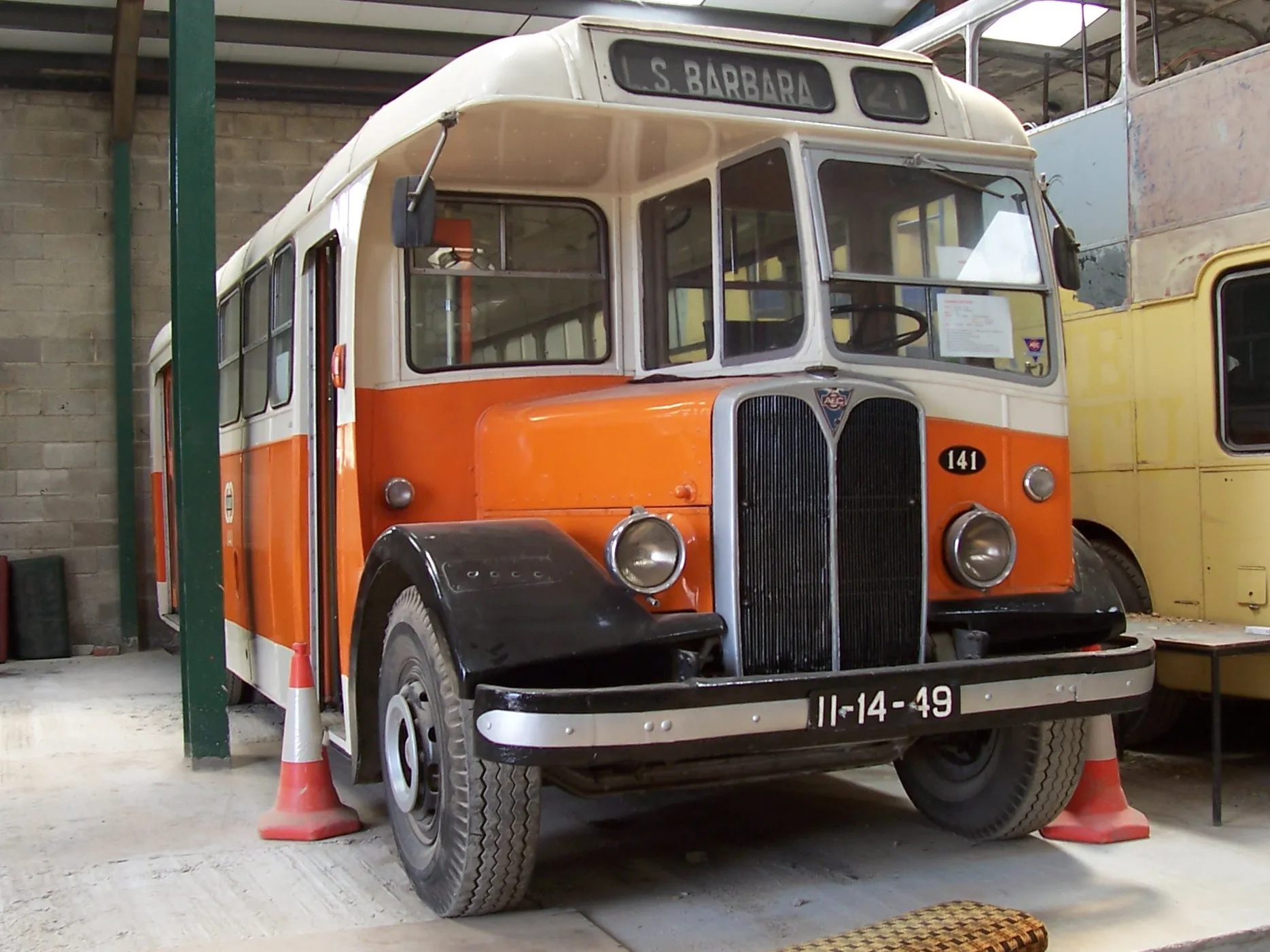
Expect lines linking the historic center to Belém and the eastern waterfront. Frequencies are typically 15–30 minutes, with first departures in the morning and last loops toward early evening.
Some passes include or add a Tagus River cruise — a gentle complement where Lisbon’s skyline stretches low and wide, bridges in arcs, and the breeze carries a quiet contentment.
Safety, accessibility & hills
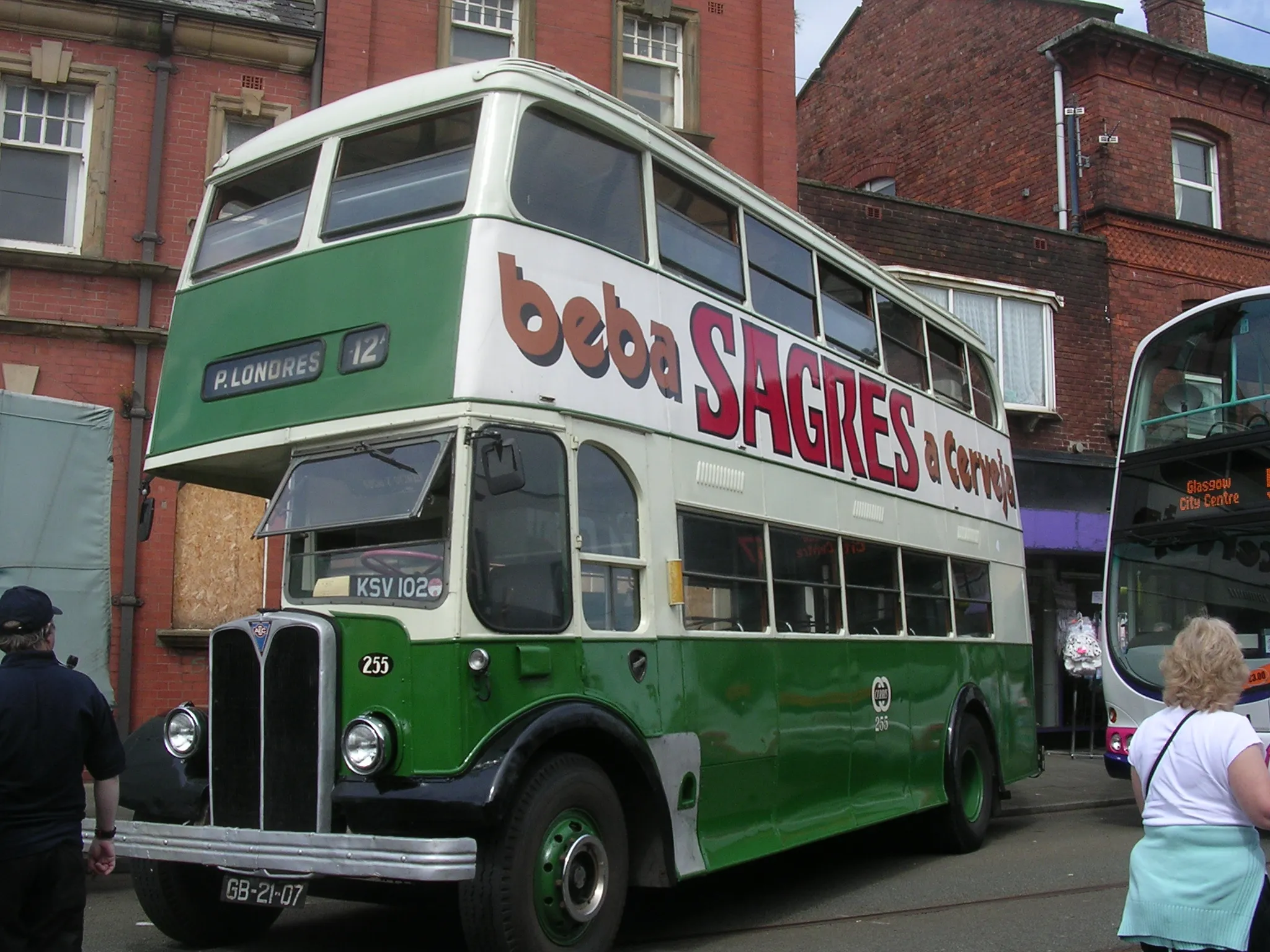
Buses generally include ramps and designated spaces. Central stops are easiest; some historic areas have cobbles and occasional steep grades — good shoes help.
Weather shifts quickly by the river. On warm days, carry water and sunscreen; on breezy ones, a light layer keeps the upper deck comfortable.
Festivals, parades & city life
Summer brings Santo António — parades, music, and sardines on grills, neighborhoods glowing late into the night. Pop‑ups, concerts, and exhibitions pepper the calendar across the year.
Hop off where you hear music or see bunting flutter — Lisbon loves celebration, and you might stumble into a small event that becomes a favorite memory.
Tickets, passes & combos
Most passes activate on first boarding, valid for 24/48/72 hours. Mobile tickets make hopping on simple at major stops.
Combos may include tram tours, river cruises, or attraction discounts. Check current partner benefits and activation rules.
Preservation, sustainability & respectful travel
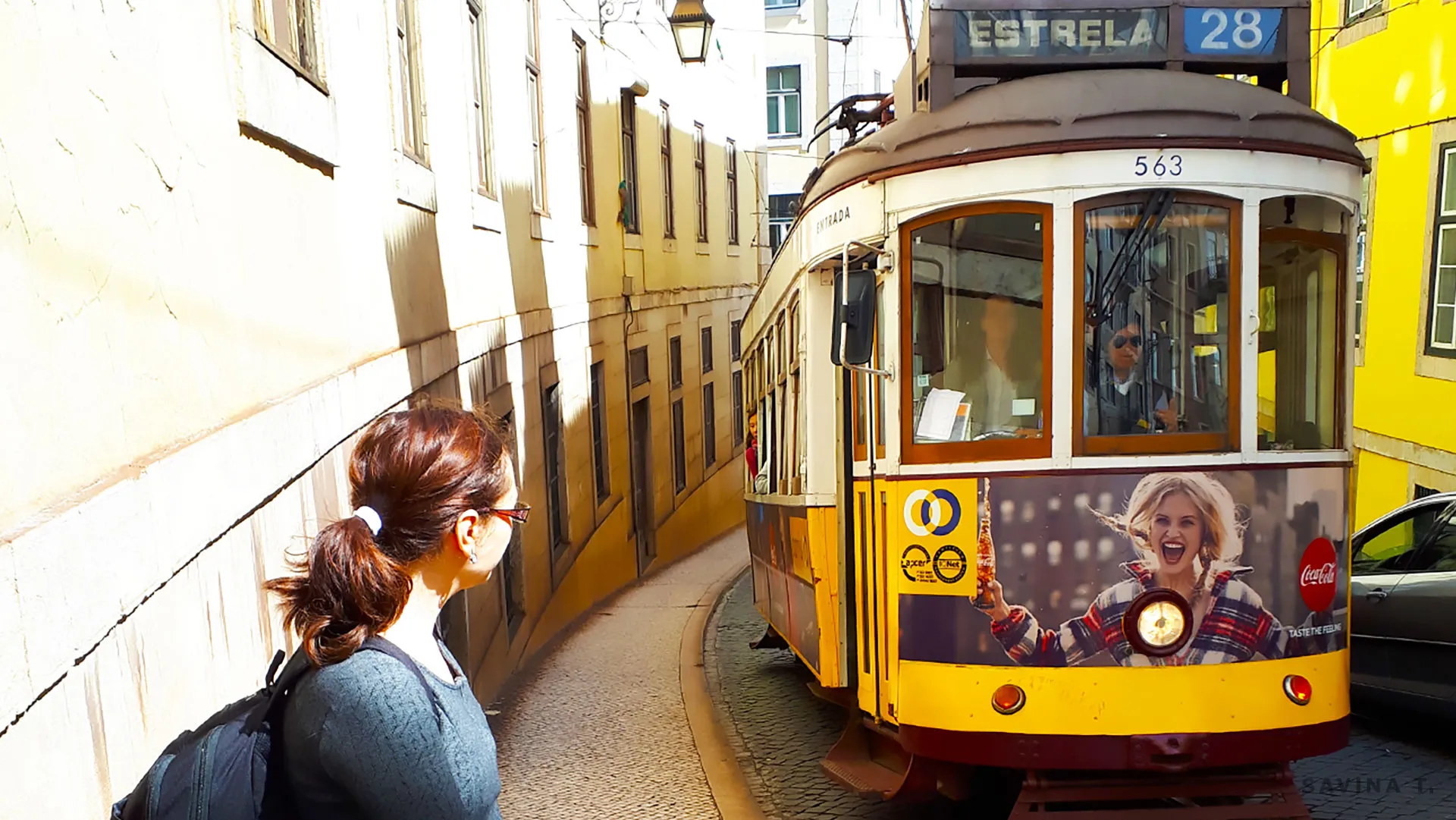
Support local businesses, visit at off‑peak hours when possible, and move gently through historic lanes — Lisbon’s beauty thrives when we share space considerately.
Reuse your cup, carry water, and choose quieter times for viewpoints. Small choices make the city kinder.
Parque das Nações & the modern east
Built around Expo ’98, the eastern waterfront celebrates modern lines, wide promenades, and ocean wonders at the nearby aquarium. Oriente station adds a futurist edge to the skyline.
Hop off for a long river walk, striking bridges, and a calm contrast to the historic center’s bustle.
Why flexible touring works
Hop‑on hop‑off turns Lisbon’s geography into an invitation — see more with less strain, pause where joy appears, and keep the day open to surprises.
It’s travel at human speed: layered, scenic, and comfortably spontaneous.
Table of Contents
Origins of Lisbon’s neighborhoods
Lisbon’s character begins with its hills and the Tagus — a natural amphitheater that shaped neighborhoods like Alfama, Mouraria, Baixa, and Chiado. From early settlements and Roman traces to the Moorish period, the city grew in tight, practical patterns: alleys that slip between houses, stairways clinging to slopes, and terraces that open onto suddenly grand views. Life organized itself around water and height: the river for trade, the hills for protection, the viewpoints for orientation and delight.
In 1755, an earthquake transformed Lisbon in a blink. The Pombaline reconstruction boldly reinvented Baixa with straight streets, earthquake‑resistant architecture, and elegant squares like Praça do Comércio and Rossio. Yet the older neighborhoods kept their mosaic charm — Alfama’s lanes, Mouraria’s tucked‑away corners, the cathedral cresting the hill. Today, hop‑on hop‑off routes thread these layers together, turning geography into an easy, scenic itinerary.
From trams to panoramic buses
Lisbon’s transport story is part romance, part practicality. Historic trams rattle along tight corners and steep climbs; funiculars tug up and down ravines; elevators rise like lacework sculptures. Each mode turned geography into possibility. As the city modernized and visitors grew more curious, panoramic double‑deckers added a new rhythm: broad vistas from an open top, gentle loops connecting old and new, and audio tales that make even ordinary streets feel storied.
Hop‑on hop‑off kept the best of both worlds: freedom to wander and a guided, comfortable frame. Instead of racing through sights, you layer moments — a miradouro at golden hour, a monastery cloister echoing with footsteps, a café where time slows for a pastel de nata. Routes are not just lines on a map; they’re a conversation between hills, river, and neighborhoods.
Belém: empire, monuments & pastries
Belém speaks of oceans and ambition. The Age of Discoveries left its mark in Manueline stonework that looks almost alive — ropes, shells, and intricate knots carved into façades. The Jerónimos Monastery’s cloisters feel like a dream in limestone; the Tower of Belém watches the river like a patient guardian. Nearby, the Monument to the Discoveries faces the water where ships once set sail.
And then there’s the sweet heart of Belém: the original custard tart at a century‑old bakery, warm and fragrant, with cinnamon dusting the top like a small celebration. Hop off, taste the moment, stroll the river promenade, and let history settle in as the water glints and gulls wheel above.
Alfama: fado, alleys & the cathedral
Alfama is a quilt of alleys stitched into a hillside. Here, laundry sways over lanes, tiles catch light in blues and greens, and fado drifts from small doorways, a voice of longing and resilience. The Sé Cathedral stands solid above it all, austere and protective, as if the neighborhood gathers under its glance.
Hop off for a climb to a miradouro — Santa Luzia or Portas do Sol — where red roofs slope into the river, and the city looks both intimate and expansive. It’s a place to linger and let the day breathe.
Baixa & Chiado: rebuilding and cafés
Baixa’s grid tells a story of resilience — Pombaline frames, ordered streets, and squares that invite gatherings. Rossio hums; Praça do Comércio opens grandly to the Tagus. In Chiado, bookstores and cafés make conversation an art, and the Elevador de Santa Justa rises like a filigree balcony to the sky.
Hop off for coffee, a light lunch, or a bookstore browse. Lisbon’s pace rewards meandering — and hop‑on hop‑off gives you the space to do it.
Workshops, artisans & markets
Lisbon’s craft heartbeat shows in tiles, leather, and small ateliers tucked into side streets. Weekend markets bring together antiques, textiles, and everyday curiosities — a happy mix of memory and utility.
Hop off where something catches your eye: a tile workshop with patterns like quiet songs, a market stall with a story behind every object, a studio where a maker’s patience reveals itself in the details.
Routes, stops & river cruises
Expect lines linking the historic center to Belém and the eastern waterfront. Frequencies are typically 15–30 minutes, with first departures in the morning and last loops toward early evening.
Some passes include or add a Tagus River cruise — a gentle complement where Lisbon’s skyline stretches low and wide, bridges in arcs, and the breeze carries a quiet contentment.
Safety, accessibility & hills
Buses generally include ramps and designated spaces. Central stops are easiest; some historic areas have cobbles and occasional steep grades — good shoes help.
Weather shifts quickly by the river. On warm days, carry water and sunscreen; on breezy ones, a light layer keeps the upper deck comfortable.
Festivals, parades & city life
Summer brings Santo António — parades, music, and sardines on grills, neighborhoods glowing late into the night. Pop‑ups, concerts, and exhibitions pepper the calendar across the year.
Hop off where you hear music or see bunting flutter — Lisbon loves celebration, and you might stumble into a small event that becomes a favorite memory.
Tickets, passes & combos
Most passes activate on first boarding, valid for 24/48/72 hours. Mobile tickets make hopping on simple at major stops.
Combos may include tram tours, river cruises, or attraction discounts. Check current partner benefits and activation rules.
Preservation, sustainability & respectful travel
Support local businesses, visit at off‑peak hours when possible, and move gently through historic lanes — Lisbon’s beauty thrives when we share space considerately.
Reuse your cup, carry water, and choose quieter times for viewpoints. Small choices make the city kinder.
Parque das Nações & the modern east
Built around Expo ’98, the eastern waterfront celebrates modern lines, wide promenades, and ocean wonders at the nearby aquarium. Oriente station adds a futurist edge to the skyline.
Hop off for a long river walk, striking bridges, and a calm contrast to the historic center’s bustle.
Why flexible touring works
Hop‑on hop‑off turns Lisbon’s geography into an invitation — see more with less strain, pause where joy appears, and keep the day open to surprises.
It’s travel at human speed: layered, scenic, and comfortably spontaneous.